

Water Safety in Healthcare Series
Why Water Matters in Healthcare
Water supports patient care, hygiene, sterilisation, and medical equipment—but if poorly controlled, it can also become a source of infection. Here’s why healthcare organisations must treat water safety as a core patient safety issue.
In healthcare environments, water is used far beyond drinking. It plays a critical role in clinical care, infection prevention, sanitation, decontamination, and specialist systems such as dialysis. Because water can also harbour harmful microorganisms, safe management is essential to protect patients, staff, and services.
Water is one of the most widely used resources in healthcare. It is central to hand hygiene, environmental cleaning, patient bathing, sterile services, laboratories, renal services, and the operation of medical equipment. From routine care to highly specialist treatment pathways, healthcare delivery depends on safe, reliable water.
However, water is not risk-free. In complex building systems, organisms can multiply in pipework, fittings, tanks, dead legs, and outlets if conditions allow. In healthcare settings, that risk is amplified by the presence of vulnerable patients, invasive procedures, and a need for consistently high hygiene standards.
Used across care pathways
Water is essential in hygiene, decontamination, patient care areas, laboratories, dialysis, and domestic services.
A potential infection source
Water systems can support biofilm growth and harbour organisms such as Legionella, Pseudomonas aeruginosa and Non Tuberculosis Mycobacterium (NTM).
A patient safety priority
Managing water quality is not just an estates issue—it sits at the heart of infection prevention and risk management.
Where water is used in healthcare
Water supports an extraordinary range of activities in healthcare environments. That includes obvious clinical uses, but also many routine and behind-the-scenes functions that are essential to safe service delivery.
- Hand hygiene and washing: essential for staff, patients, and visitors.
- Cleaning and environmental hygiene: supporting infection prevention measures across wards, theatres, and public spaces.
- Sterilisation and decontamination: used in reprocessing instruments and cleaning reusable devices.
- Medical equipment: supplying washers, endoscope reprocessors, laboratories, and specialist plant.
- Dialysis and renal care: where extremely high water purity is required.
- Patient services: from showers and baths to drinking water and food preparation.
Because water touches so many aspects of care, any failure in quality, temperature control, storage, distribution, or outlet management can have far-reaching consequences.
Visual guide
Where Water Is Used in Healthcare
Water supports multiple functions across healthcare environments—from hygiene and cleaning to specialist treatment systems and direct patient care.
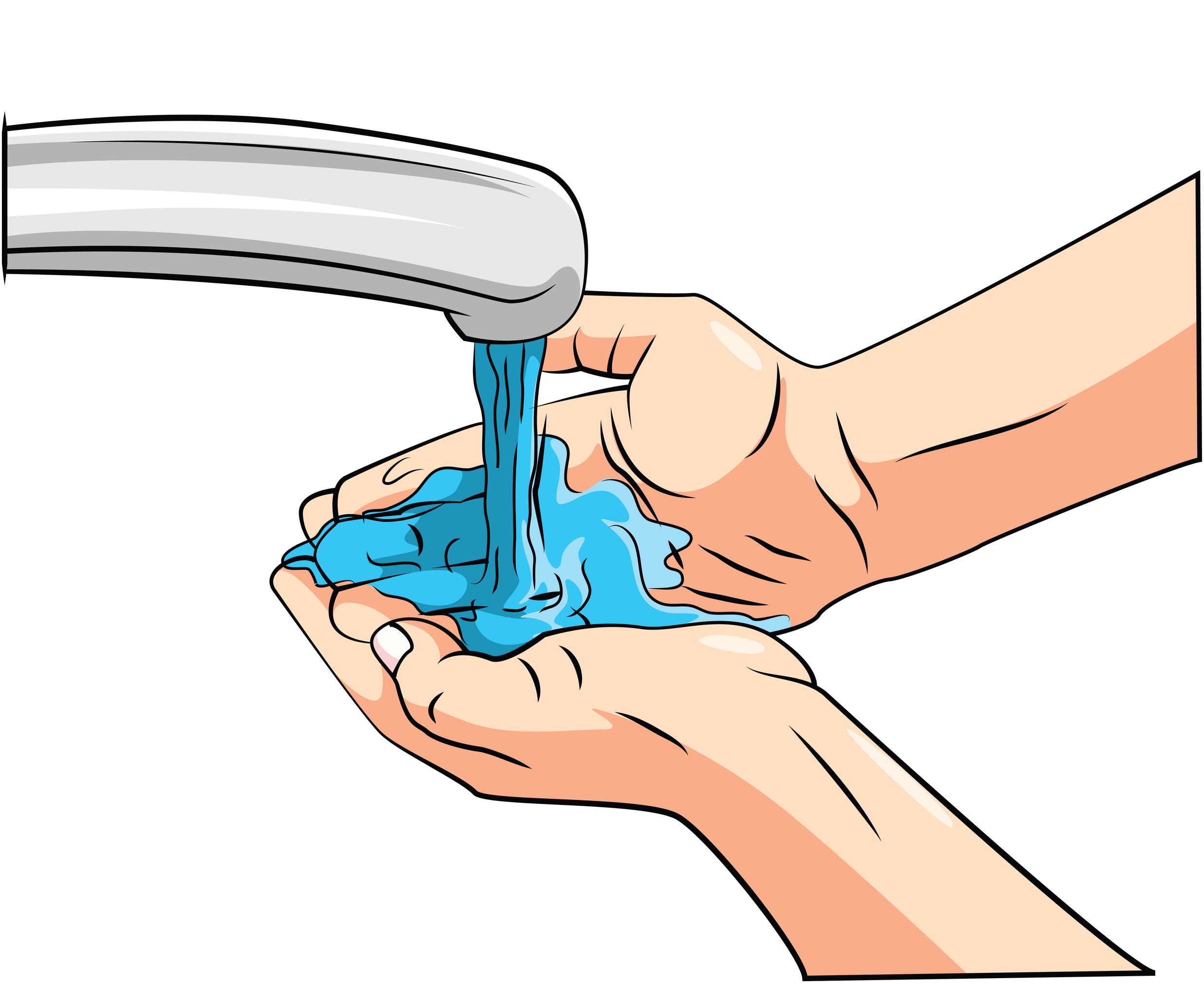

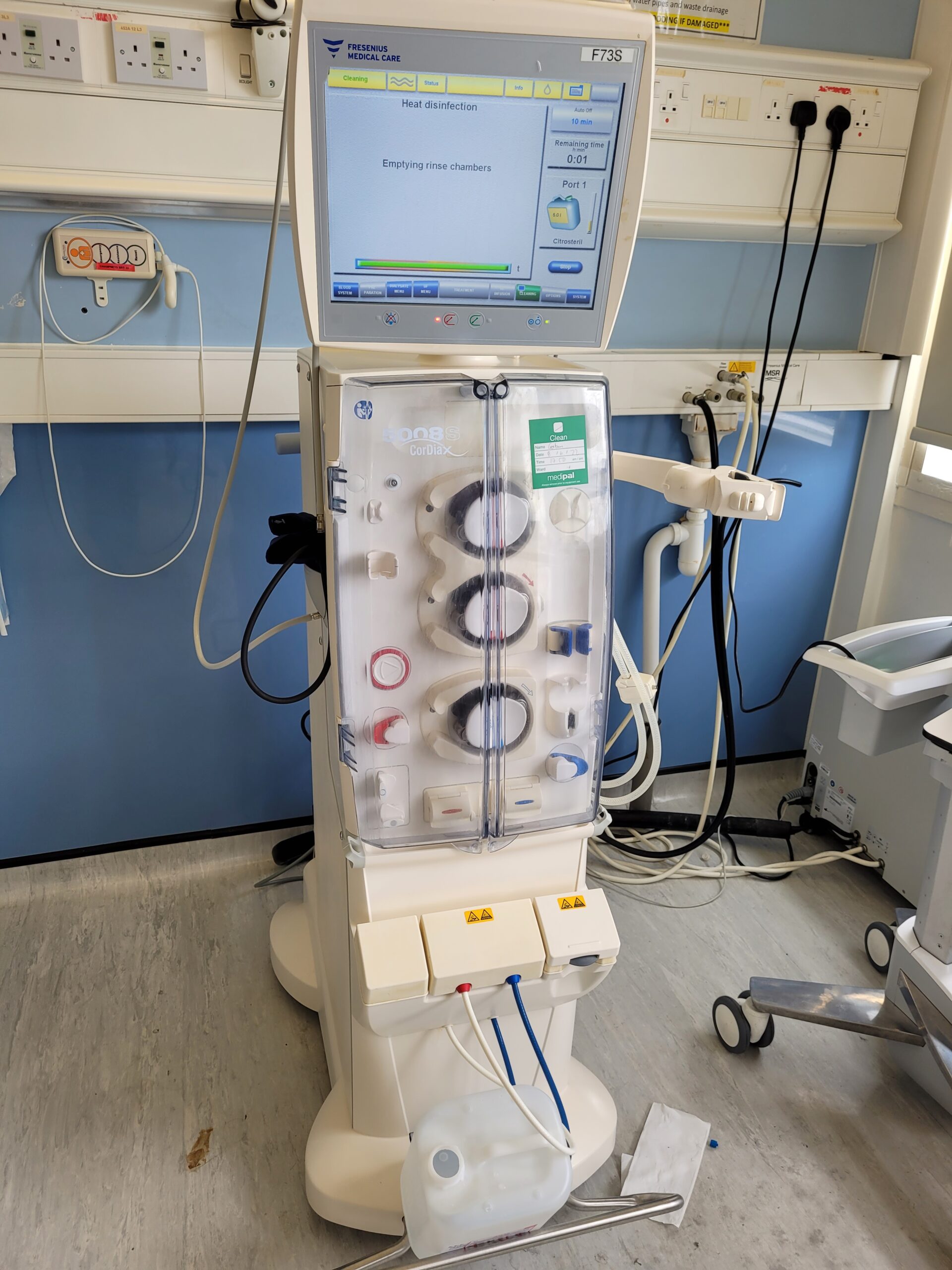
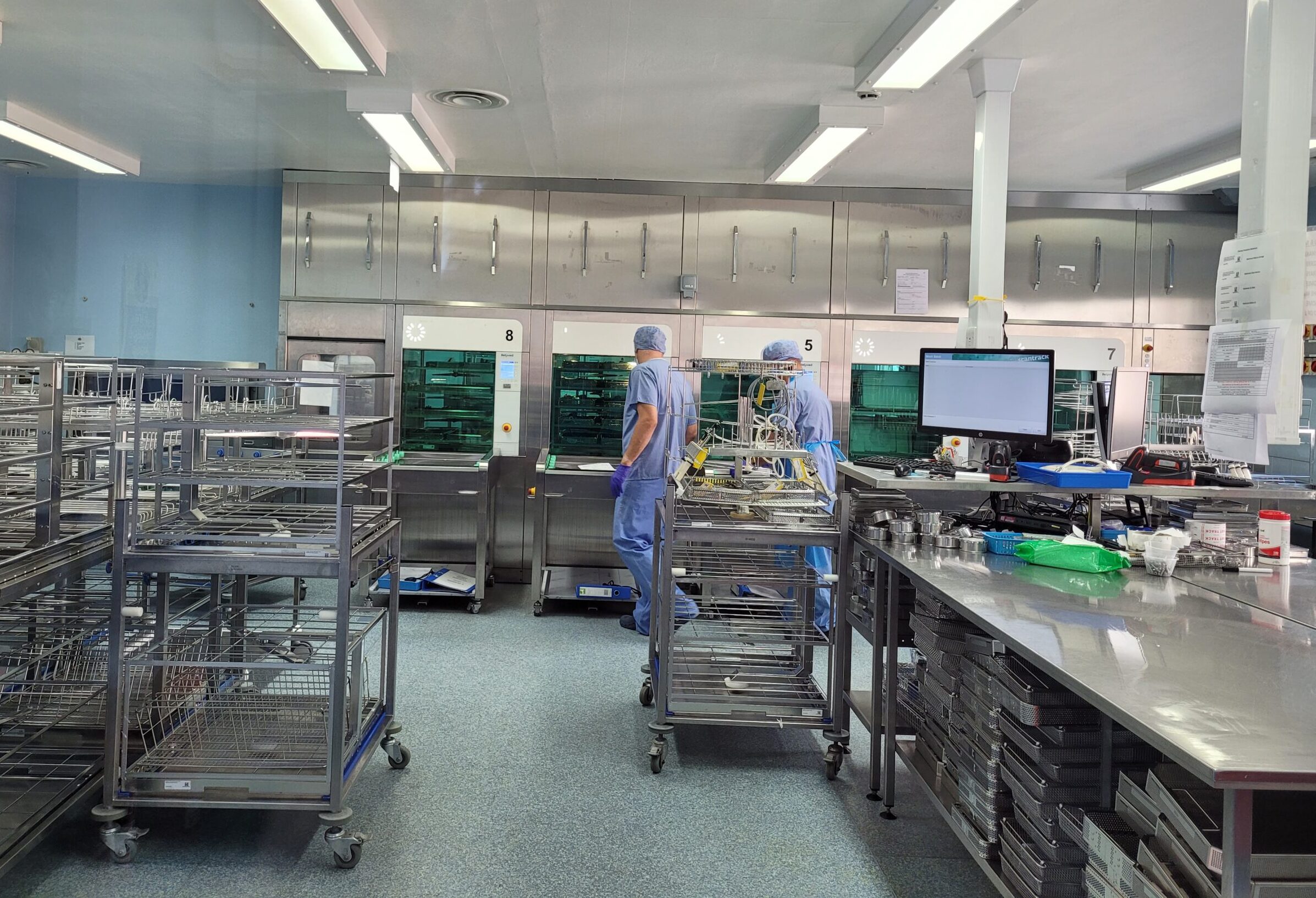
Key message: Water in healthcare is more than a utility—it supports hygiene, safe environments, specialist treatment systems, and everyday patient care.
Why water can become a risk
In buildings, water distribution systems are dynamic environments. Temperature, flow, pipe design, storage arrangements, and outlet use all influence whether microorganisms can survive and multiply. Where water stagnates, where temperatures fall into growth ranges, or where biofilms develop on internal surfaces, the risk of contamination can increase.
Healthcare facilities are especially sensitive because many patients have weakened immune systems, open wounds, respiratory vulnerability, or invasive devices that increase their susceptibility to infection. A water quality issue that may be manageable in another setting can become a serious clinical risk in a hospital or care environment.
Common water-related hazards
- Legionella: associated with inhalation of contaminated aerosols from outlets such as showers and taps.
- Pseudomonas aeruginosa: of particular concern in augmented care areas and for immunocompromised patients.
- Biofilm formation: slimy microbial communities that protect organisms from disinfection.
- Stagnation: low-use outlets and poor turnover can support microbial growth.
- Temperature failures: inadequate hot or cold water control can create favourable conditions for bacteria.
Safe water is not simply about supply—it is about how water is stored, distributed, monitored, and used throughout the healthcare environment.
Why water safety is a patient safety issue
Water safety is sometimes viewed primarily as a facilities or estates topic. In reality, it cuts across governance, infection prevention and control, engineering, nursing, clinical services, procurement, and organisational leadership. Decisions about pipework design, outlet placement, flushing regimes, equipment maintenance, and monitoring all affect the safety of the patient environment.
That is why healthcare organisations increasingly use structured approaches such as water safety groups, written schemes, routine sampling, outlet management, and risk-based controls. These processes help ensure water systems are not simply installed—but actively managed.
For digital audiences, this matters because water is often invisible until a problem occurs. Raising awareness through education helps staff understand that unusual odours, discolouration, low flow, temperature changes, or infrequently used outlets may all require prompt attention.
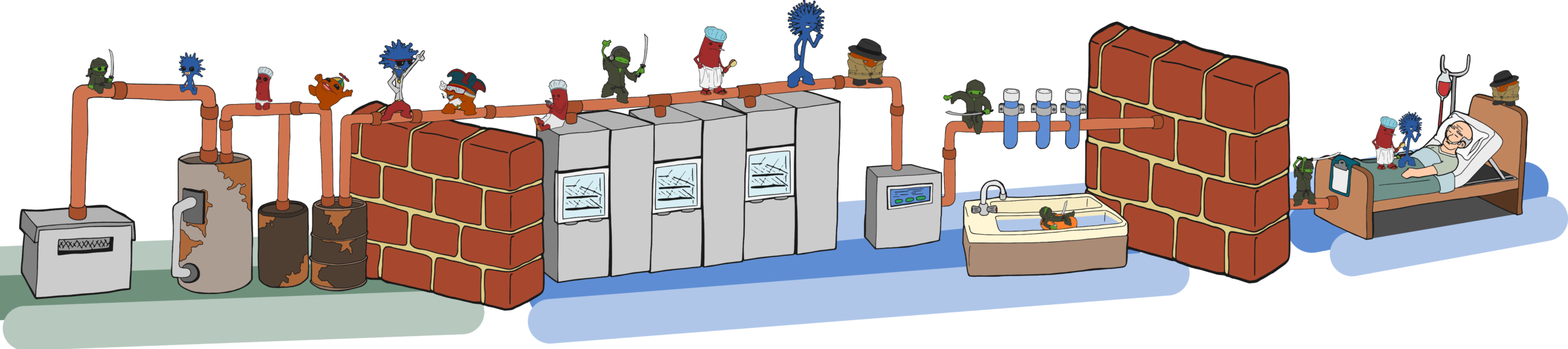
What good water management looks like
Good water management in healthcare combines design, operation, maintenance, and monitoring. It includes ensuring the right temperature controls, reducing stagnation, maintaining equipment, reviewing outlet usage, and acting quickly when results or observations suggest an emerging issue.
It also involves choosing the appropriate level of water treatment or purification for the clinical application. While general domestic water use may rely on supply quality and system controls, specialist services such as dialysis, endoscopy, sterile services, and laboratories may require additional treatment and stricter water quality parameters.
Core elements of effective control
- Risk assessments and clear governance
- Routine temperature monitoring
- Planned flushing of low-use outlets
- Cleaning, disinfection, and maintenance of water systems
- Point-of-use measures where clinically needed
- Escalation processes for failures or abnormal findings
Key takeaway
Water in healthcare is both essential and potentially hazardous. Safe management depends on understanding how water is used, where risk develops, and what controls are needed to protect patients.
Water safety is not just an infrastructure issue—it is a clinical safety responsibility shared across the organisation.
References
- Gleick PH. Dirty water: Estimated deaths from water-related diseases 2000–2020. Pacific Institute; 2002.
- Dawson DJ, Sartory DP. Microbiological safety of water. 2000.
- Frazer WM. A history of English public health. 1950.
- European Parliament. Directive 2000/60/EC Water Framework Directive. 2000.
- Drinking Water Inspectorate. Guidance on drinking water quality and regulation. 2009.


